
Retracing My Steps
This year, for the first time since that morning, I walked the route I took on September 11, 2001 — from my old office to the Brooklyn Bridge. I wanted to see whether the streets still held what I remembered.
I've written before about my morning in Lower Manhattan and about the kindness of the strangers who took me in that afternoon. For years, those two accounts were as close as I wanted to get. I remembered the geography of that day precisely — the intersection, the bridge, the direction of the crowd — but I had never gone back and physically stood in it.
This year I did. I found myself in New York with an afternoon free, and instead of avoiding the neighborhood the way I usually do, I decided to retrace my steps. Literally. I started where my office had been, at One Seaport Plaza off John Street, and I walked toward the water the way I'd walked away from it sixteen years earlier.
The first thing that struck me was how ordinary it all was. People on their phones. Delivery carts. Tourists looking for coffee. The same streets that had once been ankle-deep in ash and paper were just streets again — busy, indifferent, alive. There's something both comforting and disorienting about that. The city absorbed the worst day of its modern history and kept moving, because that's what cities do, because that's what people do.
The city absorbed the worst day of its modern history and kept moving — because that's what cities do, because that's what people do.
I walked past the memorial. I hadn't planned to spend much time there, but I did. The two pools sit in the footprints of the towers, water falling endlessly into the dark, and the names are cut into the bronze all the way around. I looked for a few I knew. I found them. I ran my fingers over the letters the way everyone does, and I stood there longer than I meant to.
What I noticed most was the quiet. Even with crowds moving through, there's a hush around those pools that people seem to fall into without being asked. Sixteen years on, the reverence is still automatic. Children who weren't alive in 2001 lowered their voices. That mattered to me more than I expected.
Then I kept walking, toward the Brooklyn Bridge, the same direction I'd gone that day. The last time I made this walk, I was covered in dust, angry, frightened, and completely unsure of what waited on the other side. This time the bridge was full of tourists taking photos of the skyline — a skyline that now includes One World Trade, standing where the towers once stood. I stopped at roughly the point where, all those years ago, I'd asked myself the three questions I've never forgotten: what if I'd walked instead of taking the taxi; how many people were gone; and what on earth I would do once I reached Brooklyn.
Standing there again, I didn't have new answers. But I had sixteen years of distance, and that changes what the questions feel like. The fear has softened into something closer to gratitude — for the choices that put me where I was that morning, for the strangers who carried me through the afternoon, and for all the ordinary days I've been lucky enough to have since.
I finished the walk, crossed into Brooklyn, and this time I knew exactly where I was going. That, in its own small way, felt like the whole point. What was once terrifying and unknown is now familiar. The route that once led me into the arms of strangers now leads me home.
I don't know if I'll retrace these steps every year. But I'm glad I did this once. Some things you have to stand inside again to understand how far you've come. However you remember this day — remember, and then keep walking.
Below are photos from my retracing of my steps. NY is as vibrant as ever and walking around you are struck by the dichotomy of everyday New York era walking around doing their thing with the tourists, many of whom seem to view the site of the terrorist attacks as a museum or monument to something that happened in the 1800s.
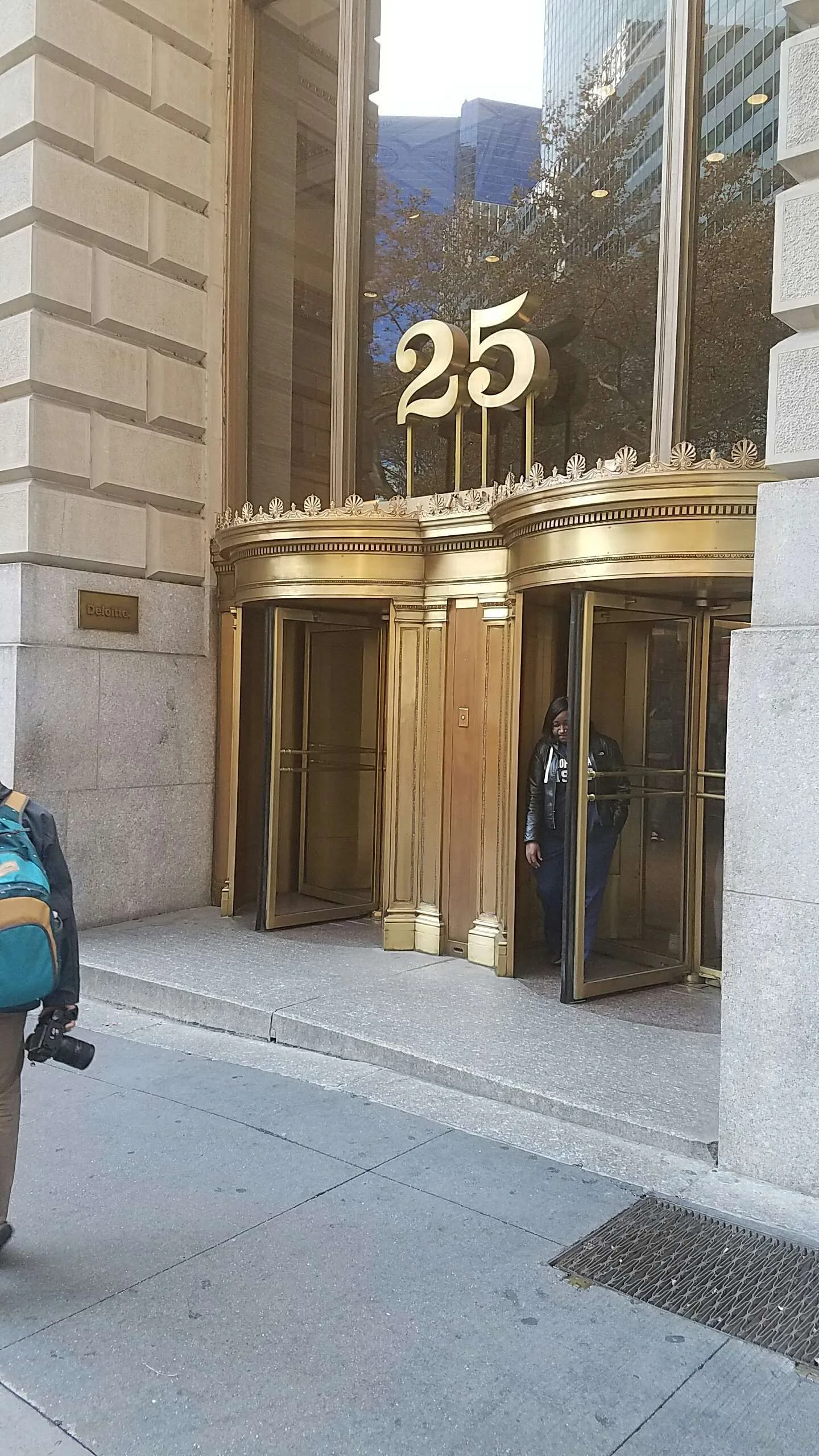
Deloitte at the time was in this office. I remember it being a new state of the art “dot com” office with bright colors and open spaces. The proximity to Wall Street and Battery Park made it a great place to work.
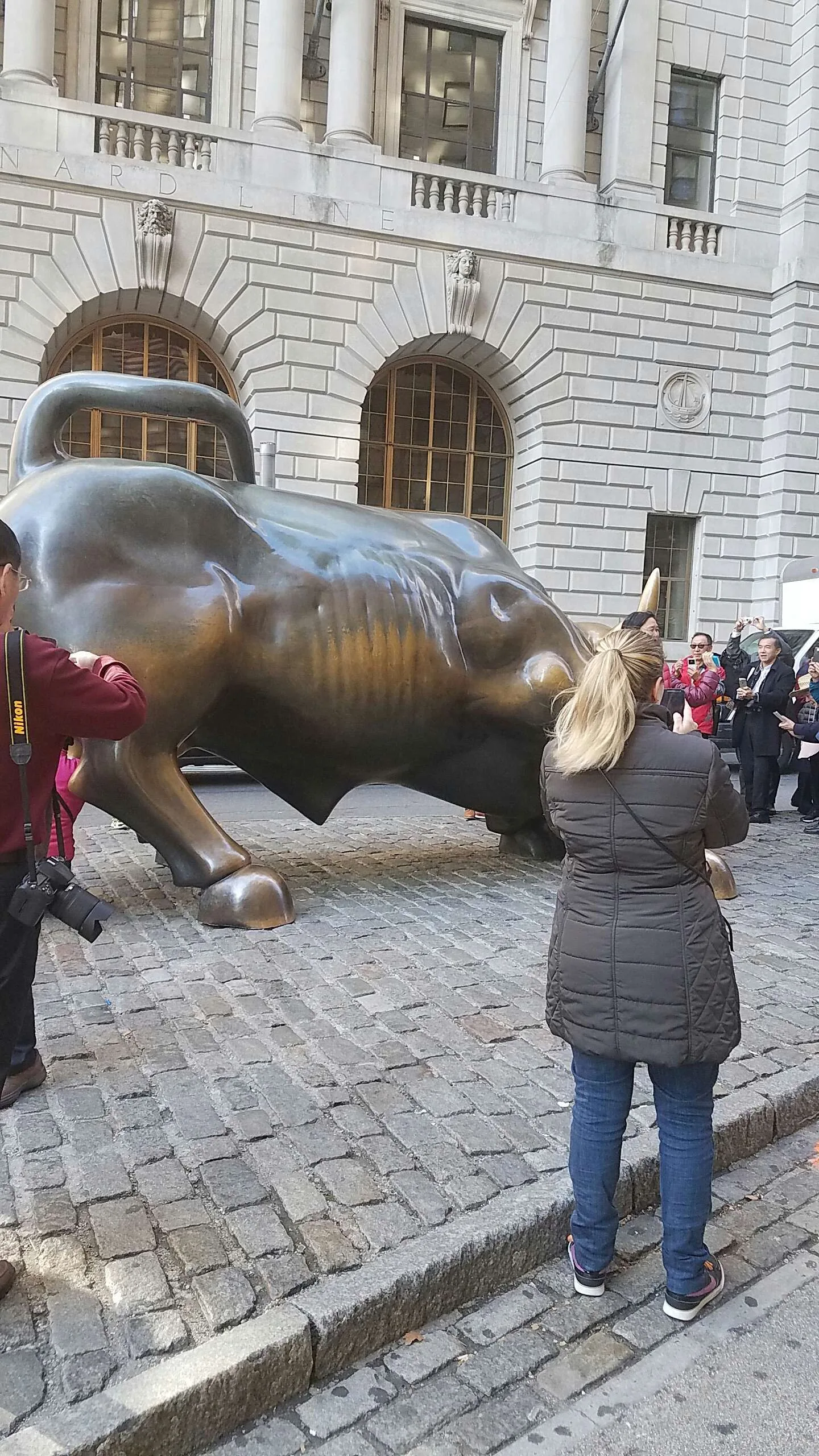
Fifteen years later, throngs of tourists still line up to rub this guy’s head. And always rushing, New Yorkers laugh, point and sometimes frown as the gawkers wait for their turn to take the same photo millions have taken. Yet, we all get it. And many secretly harbor an inner pride of this thing that is part of the essence of “our city”, America’s city.
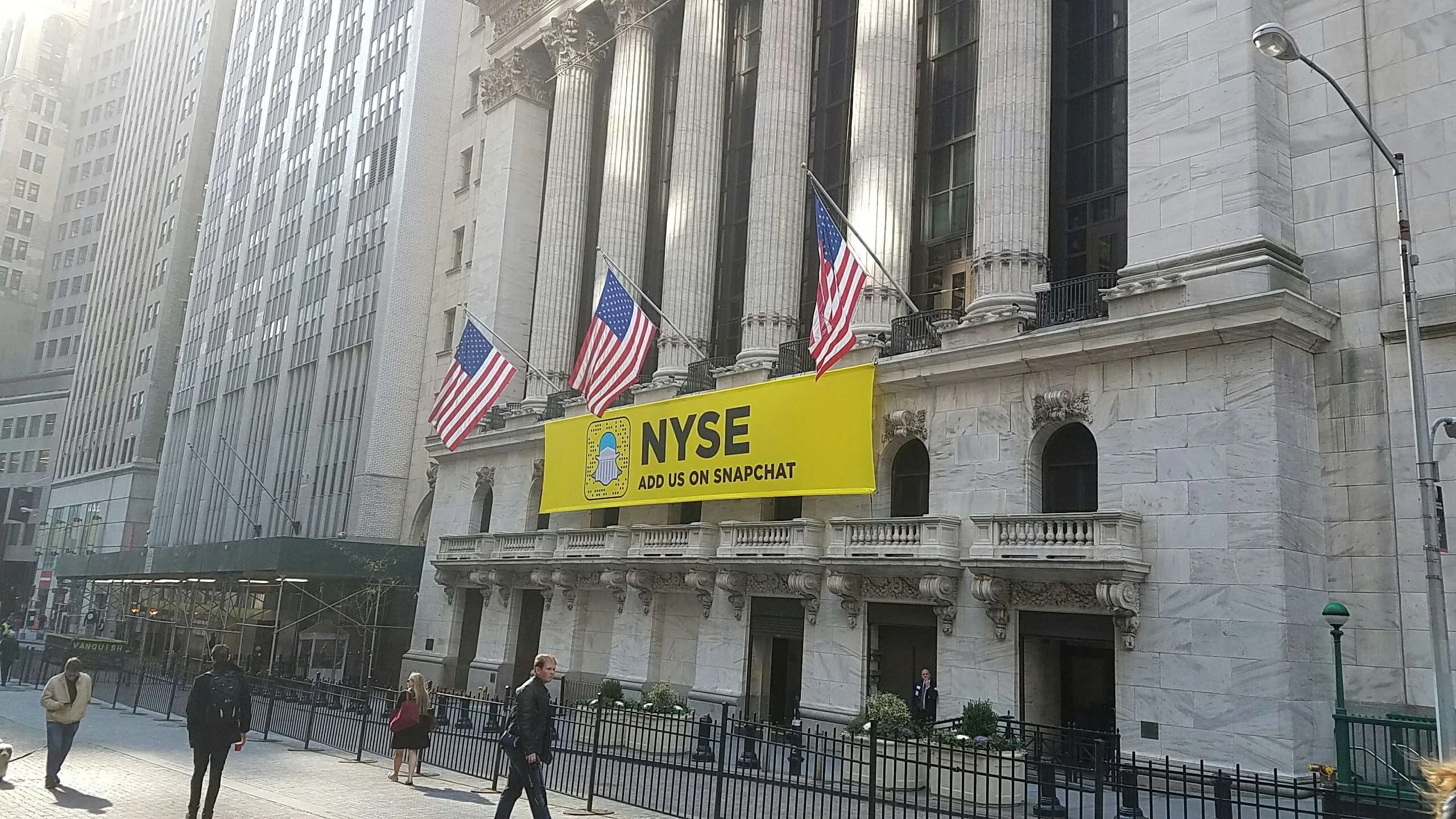
This iconic building is a mere shadow of what it was years ago with dozens of yellow jackets standing in front smoking and tourists snapping photo after photo. The increasingly electronic trading and massive security seem to make it less of an interest. Yet, the power that it represents has inspired hatred and protest through the years. To me, this building reminds me of a young boy named Adam who received a game called “Stock Market” as his prize for being the top seller in the 5th grade chocolate bar sale.
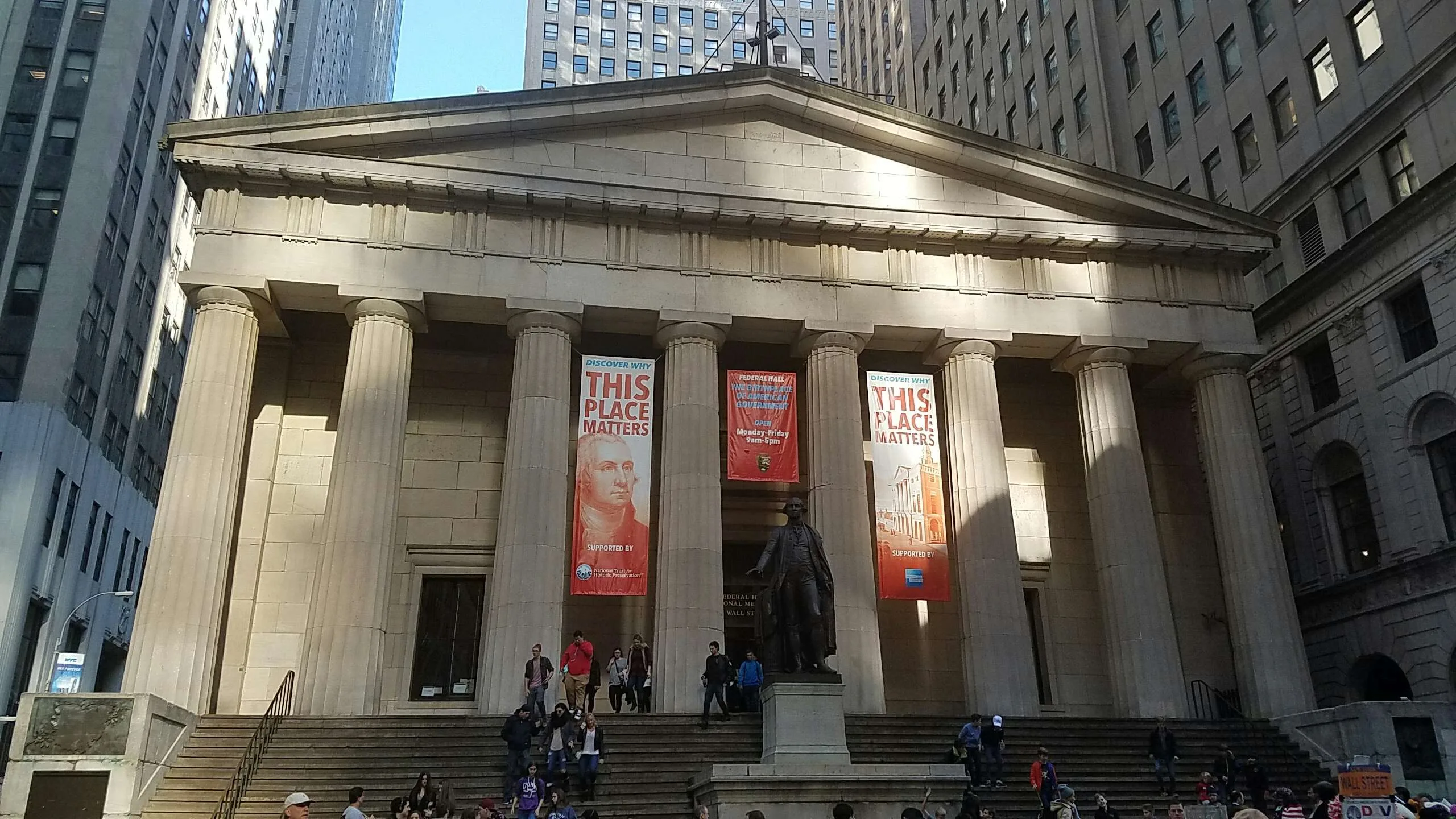
I’m guessing that at least half of the people that walk past this building every day and lots and lots of the tourists have no idea the significance of the building. If I’m totally honest, I will admit that I didn’t really know much about the history. And sadly the majority of what I know today comes from having just watched the musical Hamilton last week. Lol.
The building is actually a great reminder of the significance of this city to our country. This was the seat of the United States government back in the Hamilton days. The statue of George Washington in front serves as a reminder of both his significance to our founding as well as the significance of the city. For me, this brings back memories of walking from my client’s office to grab lunch at one of the many spots right around the Plaza.
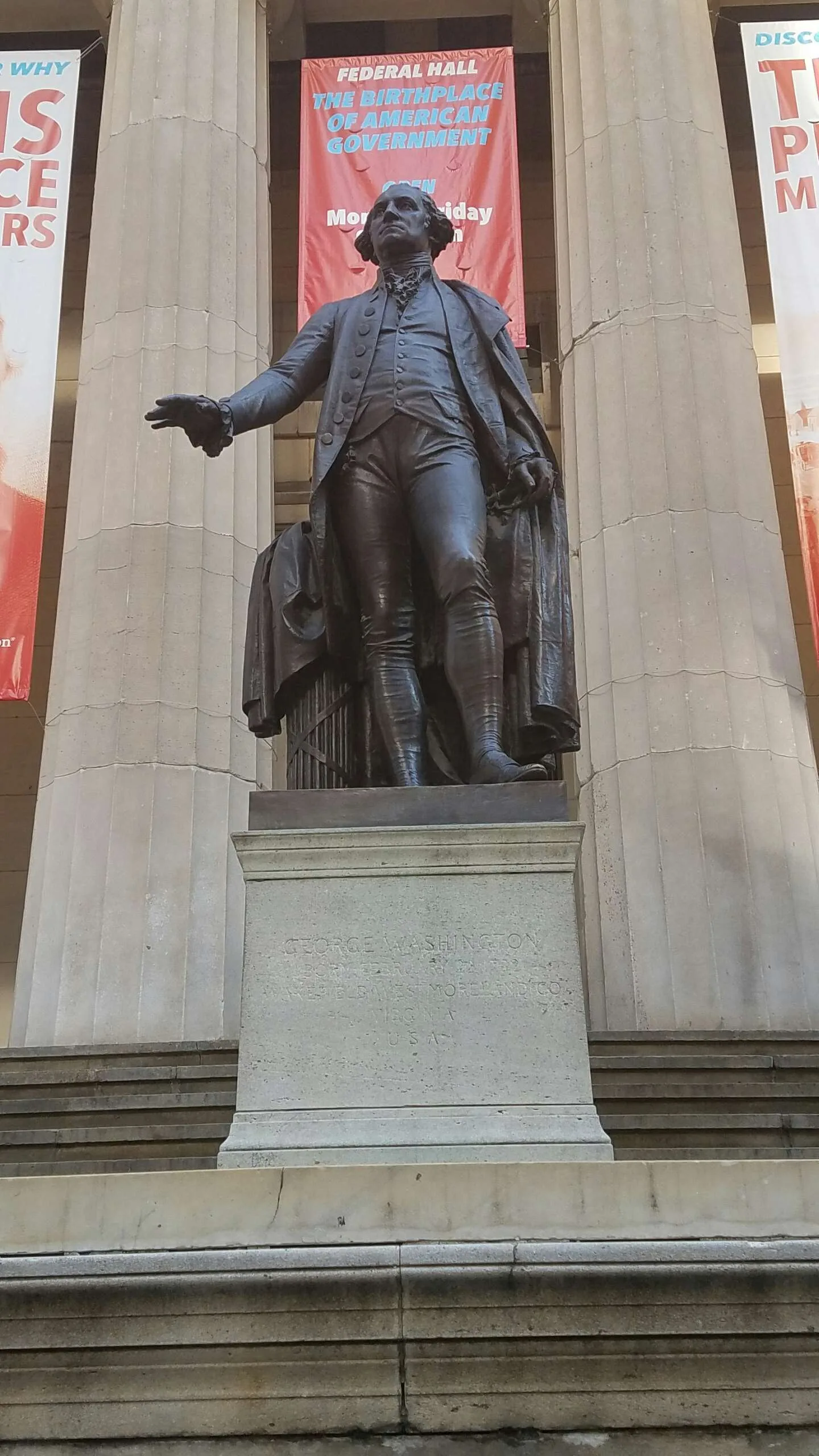
George! Who would have thought that over two hundred years later we would have a black president and a black guy playing George Washington in one of the most successful musicals in modern history.
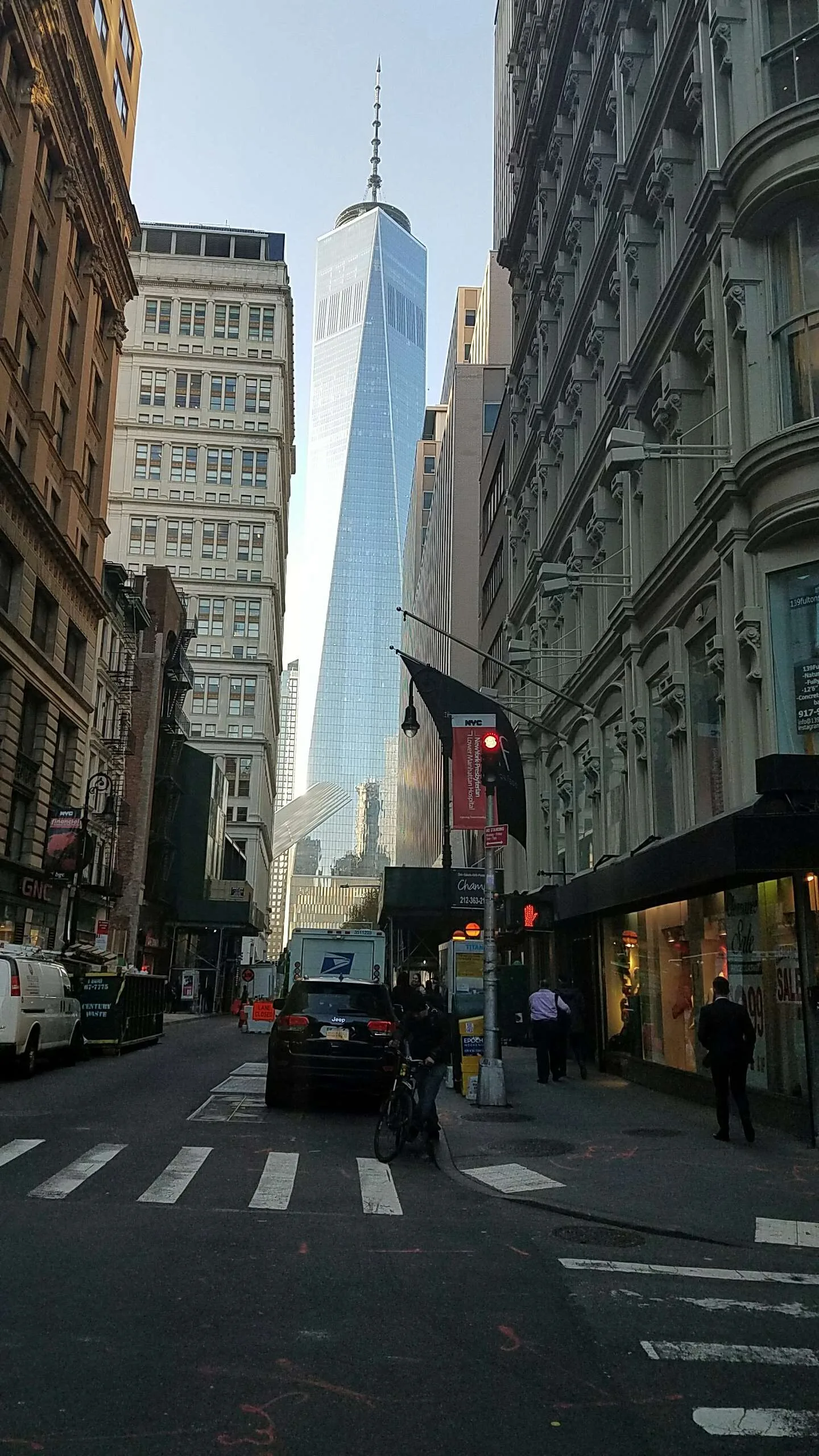
This was my view as I headed home every day. My home was at many times the Millenium Hilton and on September 11th it was the Embassy Suites. The Hilton was born the same side the tower as my office. The Embassy Suites required me to go through the tower everyday.
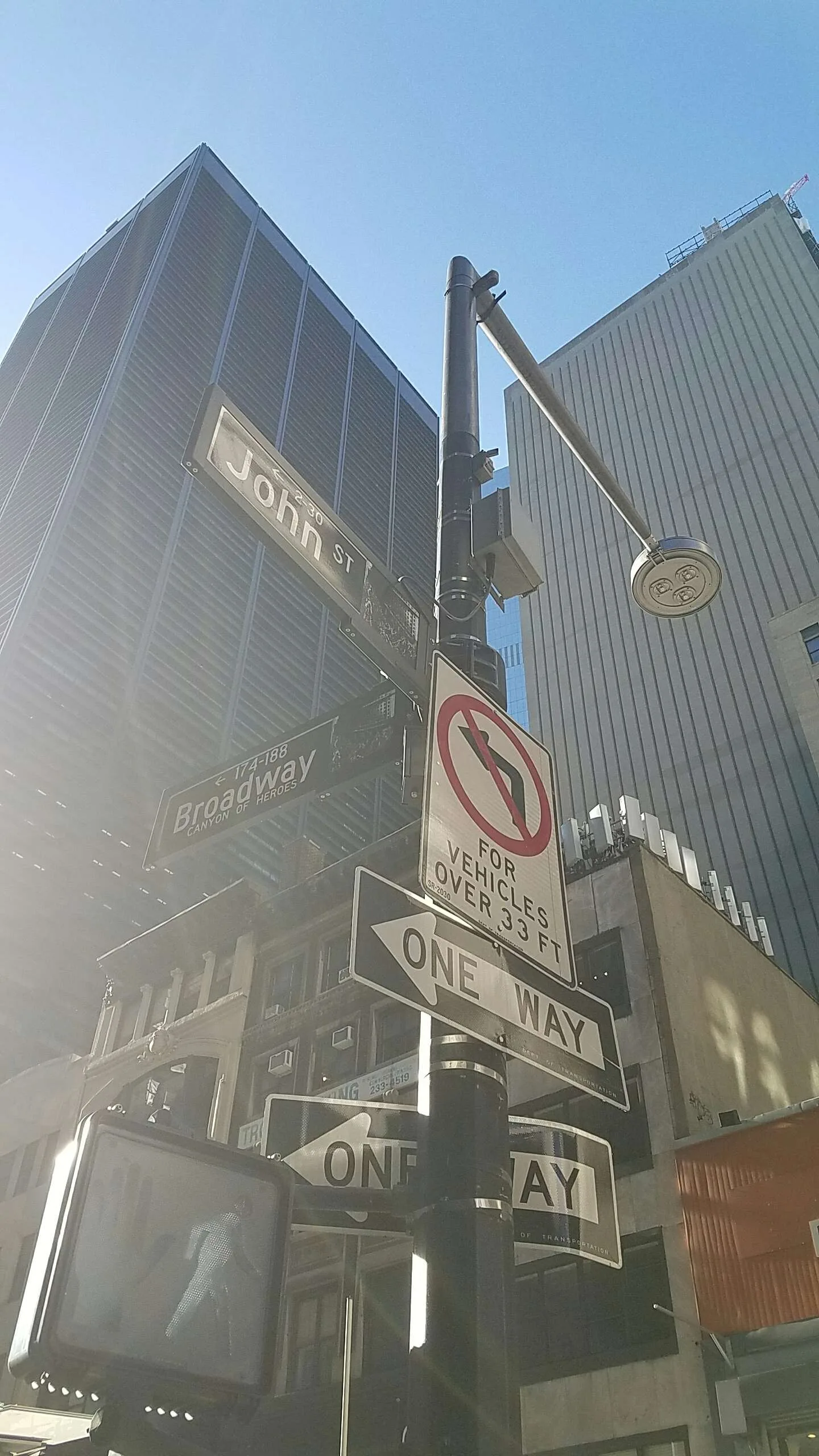
But it was this street, John Street, that was the focus of so many photos from that horrible day as people ran down the street to escape the Horrors of the attacks. The fact that the debris made it all the way down the street to my office is a shocking today as it was then.
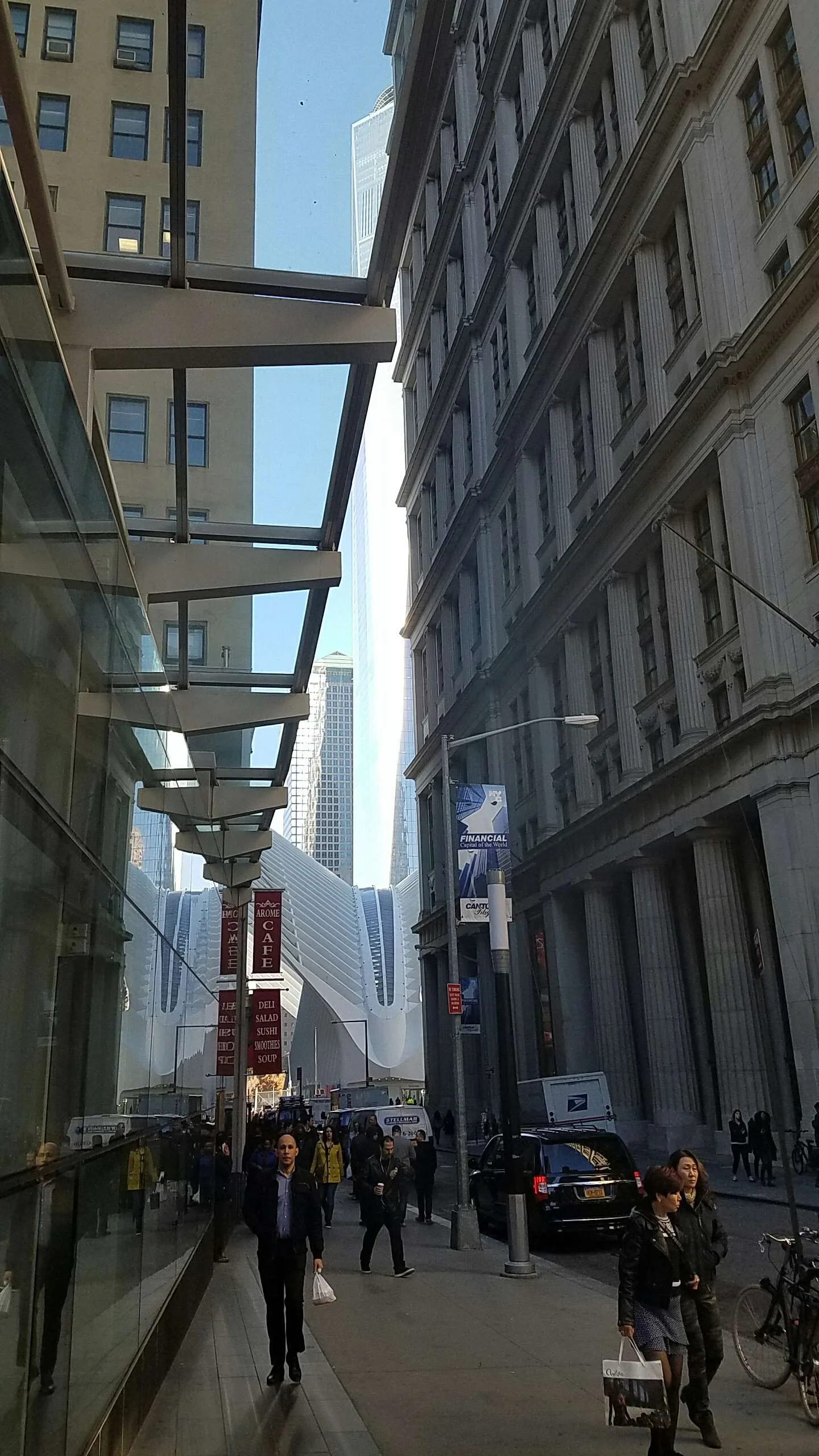
I didn’t realize until yesterday that from the intersection of John Street and Broadway, the new Obelisk sculpture actually brings back memories of the towers collapsing. I do not believe that is the intent. However, the shape from this distance is very reminiscent of the plumes of debris that begin to rush down the street after each towers fell.
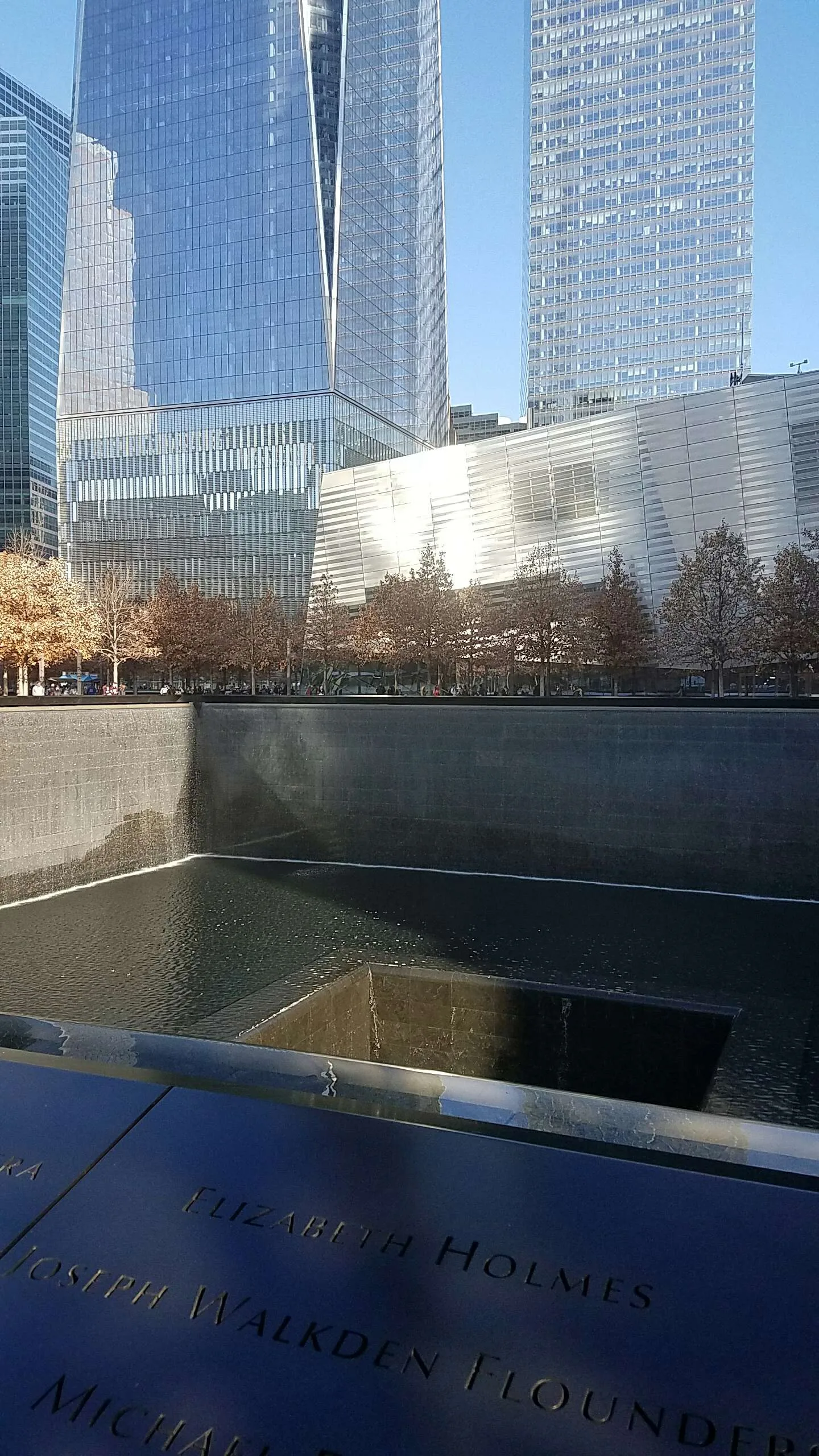
I cannot look at this Memorial, both of the pools, without having a very painful reaction. I become both sad and still a bit angry. And I still think that one day I will look through every single name and find someone that I never knew was in the building that day. A former classmate or colleague. At the same time, I find myself having very detached thoughts. For instance, the team that manages the memorial site places white roses on the names of individuals who perished, on their birthdays, as a tribute. I found myself surprised that only 4 people had birthdays the day I took this photo. Of circa 3000 souls who perished, only 4 of them shared this November birthday.
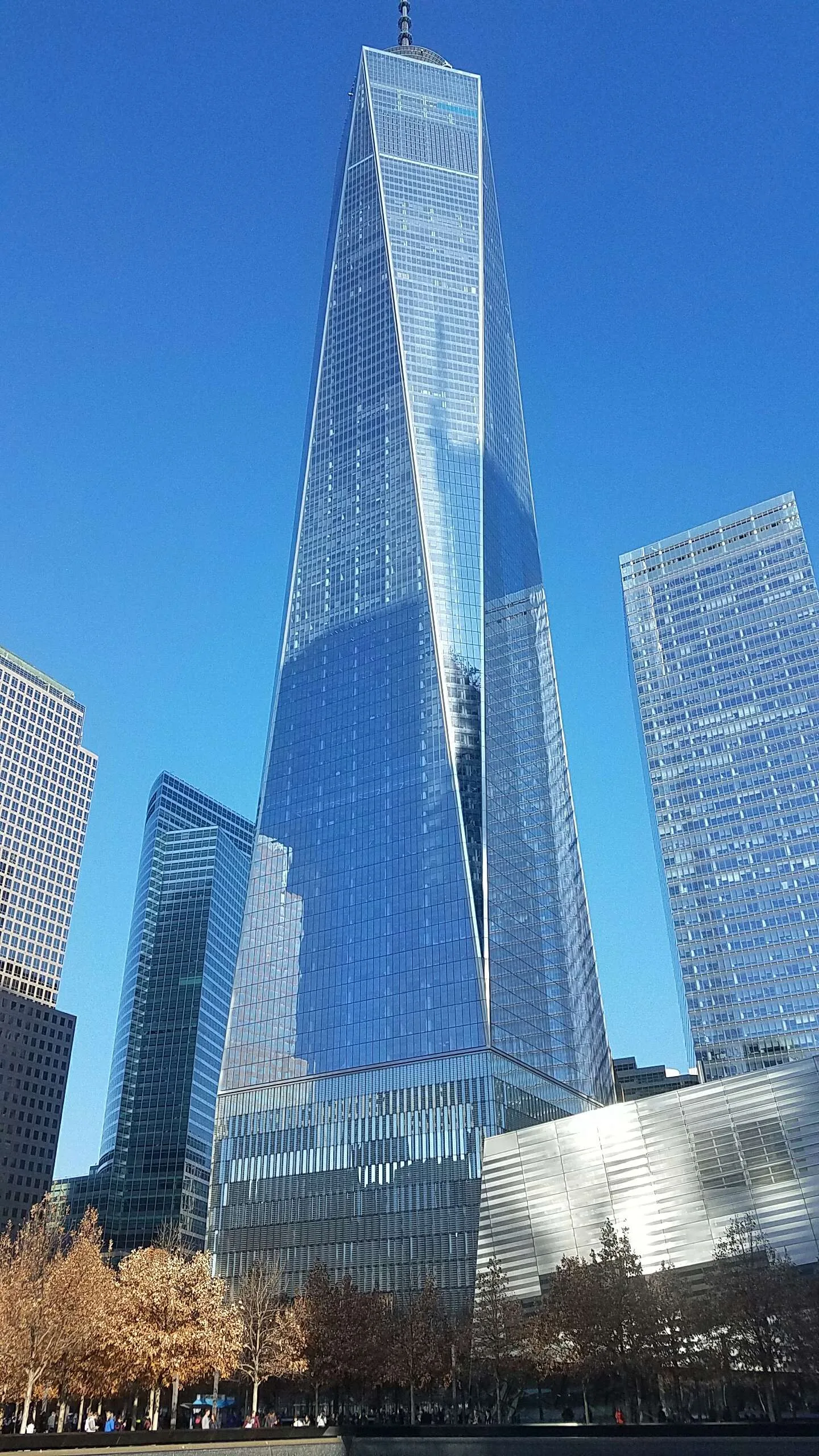
The new building is beautiful and majestic for sure. But it is still strange to see in this place. I still look up and remember the two tall white buildings that once stood where the pool is now run eternally.
I walked through this pedway hundreds of times, the start of my 20 minutes walk to my office. If connected the buildings of World Financial Center, where Deloitte also had offices, to the World Trade Center site. The Embassy Suites hotel was in this area, and my home for a while. I abandoned several shirts and suits in the hotel, as the smoke and debris damage to a building prohibited our return for several weeks. Eventually, we received a letter saying that we could return and retrieve items but it would be at our own risk. Neither the hotel or the insurance company would take responsibility for any health issues that arose. Needless to say, I took a pass and if there is anything positive that came out of the tragedy, it was a bit of a wardrobe refresh.
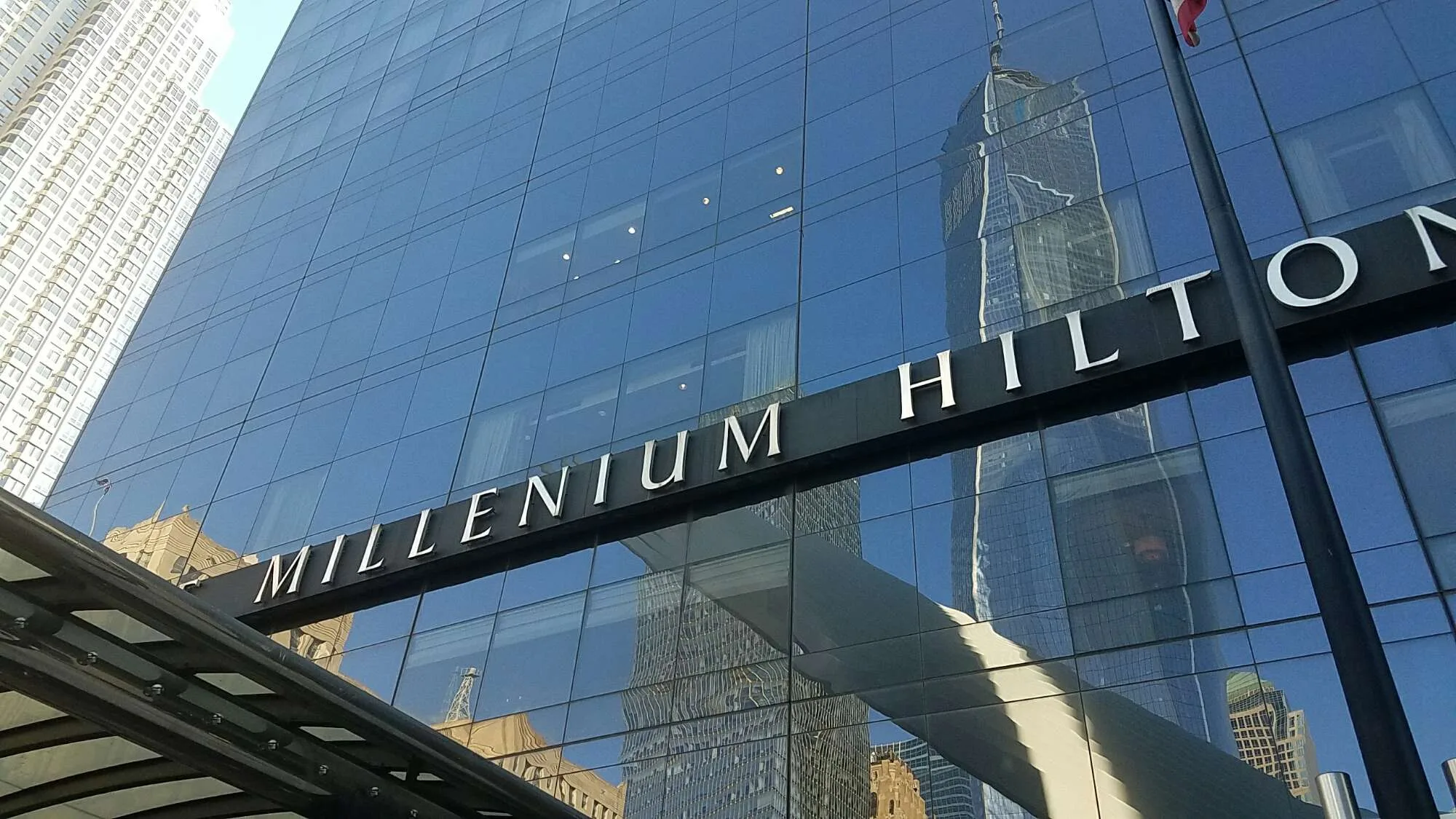
The day of the attacks, the South Tower lean towards the Millenium Hotel, almost menacingly. The fact that the hotel was not completely destroyed is actually quite amazing. It reopened almost two years after the tragedy. The significance of the hotel to me is that it had been my home for several weeks, including the week my dad came to visit me in August, 2001. My dad was perhaps the most nervous before he heard from me that day. He knew exactly how close I lodged and worked to WTC.
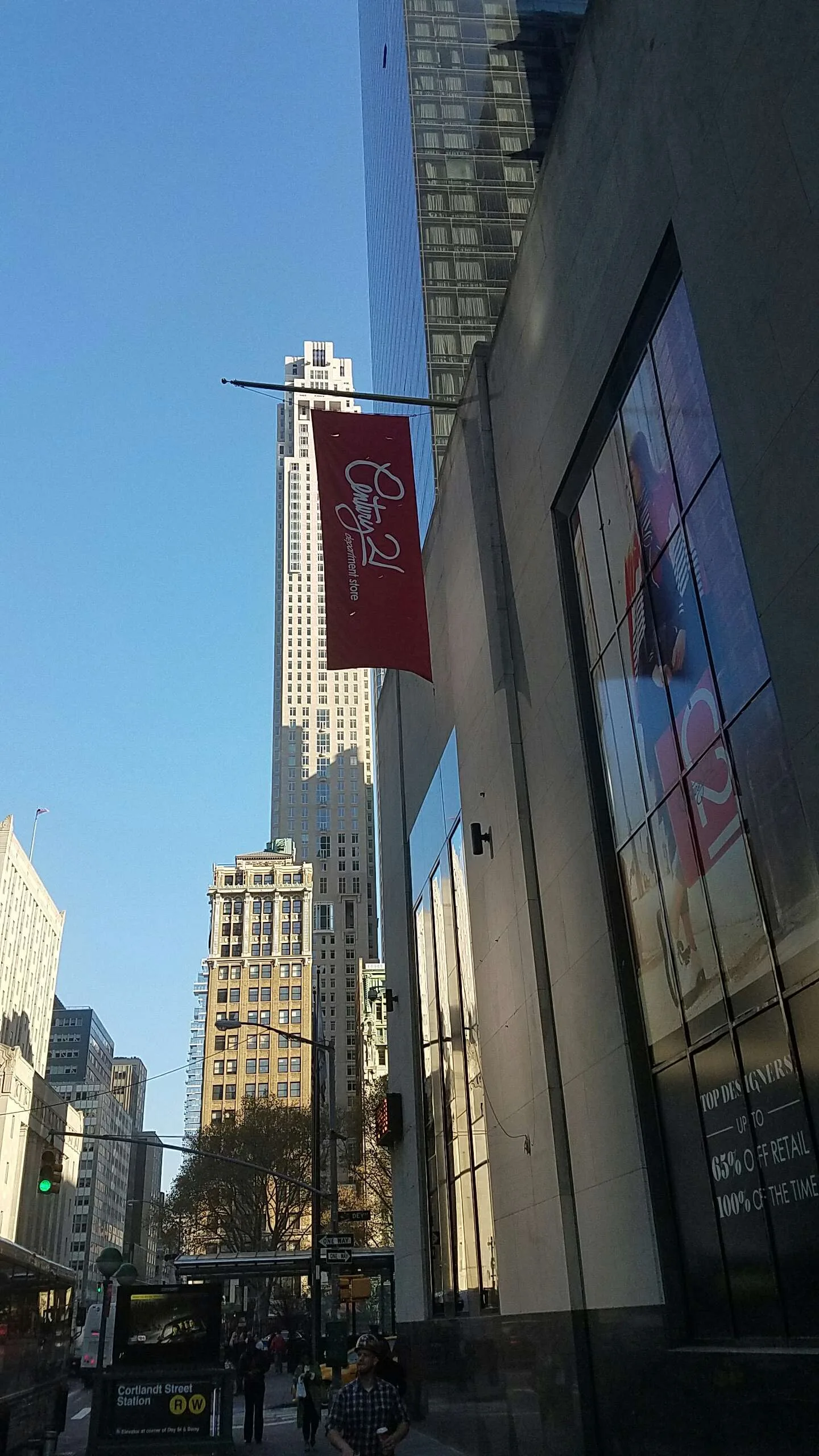
Before H&M became the go to spot for cheap, disposable clothing, I had Century 21. Socks, belts, t-shirts, oh my. Strangely, seeing this place again was perhaps most impact fully. It reminded me of just how normal that week started. How everyone started that Tuesday just as they had perhaps started the day prior. A quick trip to the store to grab something before heading to work. Or perhaps someone said to themselves, “I will stop by Century 21 on the way home.” But they never made it to the department store just across the street from WTC. They never made it home.
And that hits me hard.