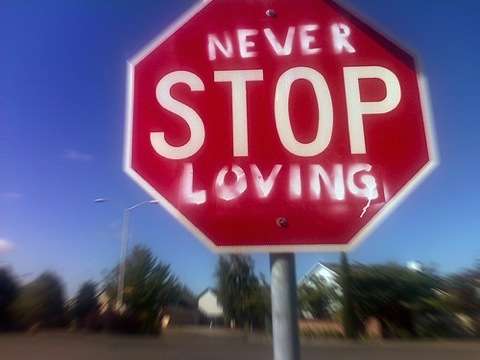
by Adam L Stanley | Jan 23, 2012 | Life, Relationships
Each relationship between two persons is absolutely unique. That is why you cannot love two people the same. It simply is not possible. You love each person differently because of who they are and the uniqueness that they draw out of you.
William P. Young, The Shack

Do you have friends that seem great at tearing you down but never seem to build you up? Even worse, are you such a friend? I will admit there are a couple of people in my life that I am convinced accept me solely because of my corporate success or other temporal aspects of being. I sometimes get the sense that if I were homeless, had children out of wedlock, were exceptionally unattractive based on their criteria, or otherwise against their standards for who to love and appreciate, I would be a side thought. So, I spent the weekend thinking about who I love and who deserves to be loved. The answer is: EVERYONE AND NOONE. If we used the standard of truly deserving to be loved, perfectly living God-fearing saints, there would be ZERO people that should be loved. However, if we assume that everyone is flawed, don’t we all at least equally deserve love?
So, who do you love? Here is my list.
unresponsive, overdramatic
Predictable, blond
Grumpy,
determined
Passionate, judgmental, introverted
angry, short
restless
distracted
Hindu
Bald, chubby
complicated, idealistic, dissatisfied, anxious
Brunette, nosy, knowledgeable
trustworthy
polite, picky
cheerful, beautiful
observant
Fit
insecure, doubtful, tall
cheeky, single
grateful
Nervous, handsome
Fashionable
encouraging
simple, Buddhist
dependent, rude
awkward, Christian
naïve, divorced
Obese, plain, scruffy
self-conscious
pessimistic, Latino,
hot!
incompetent, conservative
inflexible, straight, Chinese
cowardly
Unkempt
Stupid, bitchy, liberal
Widowed, vulgar
selfish, unhappy
cynical, gay, married
needy, feminine
Kind, frumpy
Hairy, suave, healthy
Irrational
Sexy
childish, passive
calculating
Lesbian
fussy, camp
quixotic, Caucasian
Irritating, nice, sweet, helpful
understanding
sympathetic
smart, black
friendly
Vegan
indecisive, redhead
anal, diplomatic, sentimental
Addicted
Organized
Fat
dependable, long hair
Masculine, tolerant
modest, short
romantic
reflective, clean
Meat and potatoes only
confident
TOTAL ASSHOLE
Bipolar
logical
Australian, British, Kiwi
sensible
engaging
cute, aware
Self-righteous
dedicated
loving, queeny
impatient, stubborn, critical
talkative
reciprocating, meticulous, short hair
Tall, naughty
patient
loyal, compassionate
forgiving
admiring, silly, faithful, caring
considerate, skinny
apologetic
Dirty
Flawed
I’m sure I’ve missed some traits or groups but I think you get the picture. Imagine if everyone person to whom you showed love resulted in another person loving you? The person you dismiss because of their speaking style, their clothing, their job or lack thereof, their race or religion …. May just be the person that changes your life one day. And perhaps, by showing love to that one stranger, you just might change theirs.
Dear friends, let us love one another, for love comes from God. Everyone who loves has been born of God and knows God. 1 John 4:7 (TNIV)
“The way you get meaning into your life is to devote yourself to loving others, devote yourself to your community around you, and devote yourself to creating something that gives you purpose and meaning.” Mitch Albom
“Selfish persons are incapable of loving others, but they are not capable of loving themselves either.” Erich Fromm
Love BIG. Lead on.
Best,
Adam
Adam L. Stanley
Follow me on twitter http://www.twitter.com/alswharton
Connect with me on Linked In http://www.linkedin.com/in/adamstanley
Or at http://www.alswharton.com/in
“We make a living by what we get; we make a life by what we give.”
Winston Churchill
by Adam L Stanley | Jan 16, 2012 | Life, Quotes and Inspiration
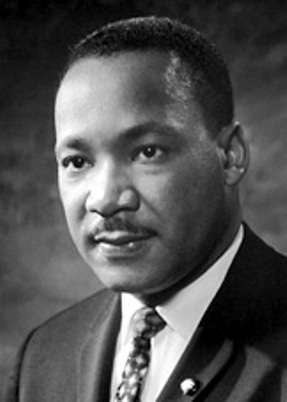
Honoring Martin Luther King Jr. by Living, Learning, and Loving
Martin Luther King Jr
Those of you who follow me on Facebook, Twitter, LinkedIn or at least occasionally read this blog likely have gotten a sense of what is most important to me.
1) Living, an easy word so misunderstood by most, is a major focus. I mean truly living. Enjoying your days and nights, doing things that excite you, finding balance between various areas of your life so that each minute is more valuable and your regrets later in life are minimized. Make that call you have been putting off. Take that vacation you dreamed of. You don’t have to declare “email bankruptcy” but you can find balance by just cutting an hour off the time you spend each night on email or staring at your smart phone.
2) Learning – travelling, meeting new people, listening to elders, studying, reading, writing …. doing whatever I can to become a better person and to help others become better people. They say a person learns the most before they are 7 years old. But you don’t have to STOP learning then, as it seems so many people have done. It thrills me every time I meet someone different than me. Sitting with my grandmother in her last days was fantastic as I was able to glean from her almost 90 years of living. Never stop learning.
3) Loving– LOVE BIG, even at the risk of being hurt. Give those around you your best. Hug a lot, and not just those “pat on the back” hugs. I mean those hugs like my grandpa used to give me that made me think I was going to suffocate but man, did I feel the love. Hug BIG! Say thank you often and do little things that can mean so much at the right time. FORGIVE!!! Think of someone you love right now. If you love big, you should be smiling! Because no matter their faults or crimes, people you love should matter. Always. And finally, LOVE even those you do not know. There are so many people out there that have no family. They need you to show LOVE by giving and reaching out.
Martin Luther King Quotes
In honor of Martin Luther King Jr. Day, I want to share my favorite quotes from the man that was flawed as we all are but did his part to advance the conversation. His words serve as inspiration to me in some ways, and admonishment in others. He spoke often of living, loving and learning and quotes around these topics have tended to be my favorites!
Living
Change does not roll in on the wheels of inevitability, but comes through continuous struggle. And so we must straighten our backs and work for our freedom. A man can’t ride you unless your back is bent.
Faith is taking the first step even when you don’t see the whole staircase.
Our lives begin to end the day we become silent about things that matter.
An individual has not started living until he can rise above the narrow confines of his individualistic concerns to the broader concerns of all humanity.
Learning
I believe that unarmed truth and unconditional love will have the final word in reality. This is why right, temporarily defeated, is stronger than evil triumphant.
Nothing in the world is more dangerous than sincere ignorance and conscientious stupidity.
Everything that we see is a shadow cast by that which we do not see.
Human progress is neither automatic nor inevitable… Every step toward the goal of justice requires sacrifice, suffering, and struggle; the tireless exertions and passionate concern of dedicated individuals.
Loving
The first question which the priest and the Levite asked was: “If I stop to help this man, what will happen to me?” But… the good Samaritan reversed the question: “If I do not stop to help this man, what will happen to him?”
Darkness cannot drive out darkness; only light can do that. Hate cannot drive out hate; only love can do that.
Every man must decide whether he will walk in the light of creative altruism or in the darkness of destructive selfishness.
Life’s most persistent and urgent question is, ‘What are you doing for others?’
Love is the only force capable of transforming an enemy into friend.
There are so many more quotes I could include but these are some of my favorites. What are yours? What does this day mean to you? Share below, and please share this blog.
Be Well. Lead On.
Adam
Adam L. Stanley Connections Blog
Technology. Leadership. Food. Life.
AdamLStanley.com
Follow me on Twitter |  Connect with me on Linked In |  Like†me on Facebook
“We make a living by what we get; we make a life by what we give.”— Winston Churchill
by Adam L Stanley | Jan 1, 2012 | Life, Relationships
Decide what truly matters to you and LIVE
Do YOU have balance? Do you live to work or work so that you may LIVE? That’s an interesting question for many, and several people that THINK they have balance may be surprised by what they hear when close friends and family members are asked. I was such a neglectful friend and still am sometimes. I now commit to and strive to find balance between all of the things that should matter to me. Not simply work. Perhaps the best quote on balance came from James Patterson in his book “Suzanne’s Diary for Nicholas”.
“Imagine life is a game in which you are juggling five balls. The balls are called work, family, health, friends, and integrity. And you’re keeping all of them in the air. But one day, you finally come to understand that work is a rubber ball. If you drop it, it will bounce back. The other four balls are family, health, friends, integrity are made of glass. If you drop one of these, it will be irrevocably scuffed, nicked, perhaps even shattered.
And once you truly understand the lesson of the five balls, you will have beginnings of balance in your life.”
James Patterson, Suzanne’s Diary for Nicholas
Finding Balance in Life
Ball #1: Family
I don’t care how poor a man is; if he has family, he’s rich. ~Dan Wilcox and Thad Mumford, “Identity Crisis,” M*A*S*H
I do most of my writing, reading, and remote working in my library at home. I have comfortable brown leather chairs, and am surrounding by hundreds of books I have read over the years, dozens of magazines and lots of photos of the people in my life that matter most. My family means the world to me, and I would do just about anything for them. Yet, as many corporate folks tend to do, I have found myself in utter neglect of them from time to time. Travelling for work, staying up at all hours on my PC yet not picking up the phone to call, and being only semi-present when I am actually with them are just some of the ways I have risked damaging this “ball”.
The family – that dear octopus from whose tentacles we never quite escape, nor, in our inmost hearts, ever quite wish to. ~Dodie Smith
Have you neglected those people most strongly in your corner, your family? I reaffirm today my commitment to family, and to always remind those that work for or with me that “family comes first”.
Ball #2: Health
A man too busy to take care of his health is like a mechanic too busy to take care of his tools. Spanish Proverb
And how!! It took gaining 20 pounds, seeing my blood pressure steadily rise, and waking up a few too many times with unexplained headaches, body aches, or other manner of ailments to realize I had to slow down.
So many people spend their health gaining wealth, and then have to spend their wealth to regain their health. A. J. Reb Materi
I worked so many hours, traveled, stared at my PC, responded to BlackBerry messages and texts, and was basically connected to work 20 hours a day at least. And I was slowly reducing my lifespan. Period. This summer, for the first time since I was 15, I took a sabbatical of sorts.
I became a Vegan. Yep. Cold turkey, I stopped eating meat, dairy, and anything that did not come from the ground. I posted tons of food photos of my daily meals (Flikr followers can see them) and enjoyed feeling better than I had for years. I became the foursquare “Mayor” of my gym, believe it or not, and targeted averaging 7-8 hours of sleep per night instead of 4-5. And I lost about 15 pounds, almost all of them “fat pounds”.
My change was somewhat drastic and I will admit, cooking three meals a day is not easy when working full-time. But, imagine if you do a little bit every day to better manage your health. Try not to get to the point where you have a medical emergency. Will you pledge to proactively write YOUR health story?
“Every human being is the author of his own health or disease. Hindu Prince Gautama Siddharta, the founder of Buddhism, 563-483 B.C.
Ball #3: Friends
A friend is one who knows us, but loves us anyway. — Fr. Jerome Cummings
I often think of all of the amazing things my parents taught me over the years. How to be a responsible man, work hard, and respect people. They taught me how to build things and fend for myself. And they taught me the types of people I should avoid because they were bad influences or trouble makers. In many ways, they helped me get better at finding friends. Strangely, what they could not really teach me, and it takes years to get good at, was actually BEING a friend. When you find someone who is good at being a friend, you’ve really been blessed.
Who finds a faithful friend, finds a treasure. — Jewish Saying
My friends know me, not just corporate me, religious me, or party me. They know all of me. My true friends know the good and the bad and they accept all of it (not necessarily liking all of it, but loving me all the same). At the end of a tough day at work, a call or text from a friend that simply says “Thinking of you and hoping you are being good to YOU” means the world.
In my blog post on Thoughts on Relationships from The Shack, I noted that life is full of relationship and the more you embrace people for both who they are and what they uniquely bring to you (and you to them), the richer you will be. THAT is what friends do for you. True friends. Each relationship is uniquely different, and like investments, the more you put into these relationships, the more you can get from them.
Do YOUR friends know how much they mean to you? Commit to calling more even though FaceBook is more convenient. Send a personal note to let someone know what they mean to you. Keep this ball strong, beautiful and intact. When at the end of the road, you may not finish everything you set out to finish career wise, but you’ll only regret the times you missed with friends.
Ball #4: Integrity
“If everyone were clothed with integrity, if every heart were just, frank, kindly, the other virtues would be well-nigh useless.” Moliere [Jean Baptiste Poquelin] Tartuffe, V, i (1622-1673)
My reputation is incredibly important to me and whether people think me brilliant or not does not matter as much as whether they think I have integrity. I want people to trust me. And because of this, in everything I do, I strive to take the high road, opting for integrity over any element of success that might otherwise come my way. Always knowing that Trust is like an eraser, it gets smaller and smaller after every mistake.
“Let no pleasure tempt thee, no profit allure thee, no persuasion move thee, to do anything which thou knowest to be evil; so shalt thou always live jollity; for a good conscience is a continual Christmas.” Benjamin Franklin
At the end of the day, I love pushing hard to be successful in my career. And I am proud of my career accomplishments to date. As I continue to grow, I am learning about balance and finding that truly I can be even more successful. I am certain now that I truly understand the lesson of the five balls, now I must ensure I live and learn from the lesson.
So, I ask you, do you in fact “have beginnings of balance in your life”? Or are you still trying so hard to keep that rubber ball of work bouncing that you shatter the relationships you have while damaging your health and integrity? FIND BALANCE TODAY!
Be Well. Lead On.
Adam
Adam Stanley
Adam L. Stanley Connections Blog
Technology. Leadership. Food. Life.
AdamLStanley.com
Follow me on Twitter | Connect with me on Linked In
by Adam L Stanley | Oct 4, 2011 | Leadership, Quotes and Inspiration, Relationships
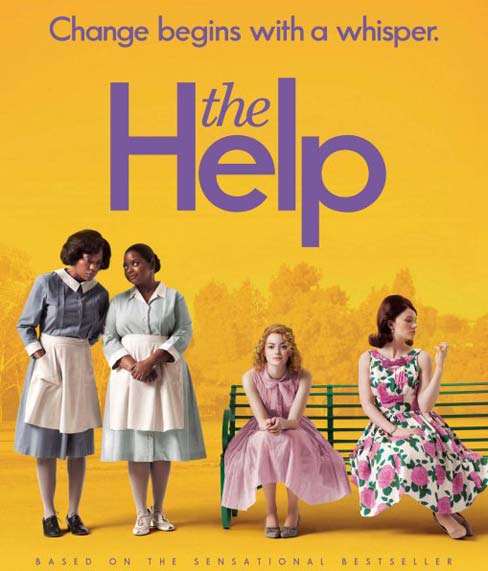
Lessons from The Help
I never really liked going to movies as a teenager and most of my adult life was the same. Then, two things happened: 1) Showplace ICON opened a VIP theater near my home in Chicago, offering the opportunity to see movies in a recliner with drinks and gourmet sliders (and popcorn with bacon!); and 2) I started watching the Harry Potter movies to connect with my nieces and nephews. It was the second one that kind of leads me to this blog. You see, while I started off watching for the “action†of the young wizard, I quickly realized how many leadership lessons can be found in movies. Like rap music for inner city children in some schools, perhaps we can use movies to bridge between popular culture and leadership lessons for Gen Y.
I can blog thousands of words from Harry Potter, which is in my opinion as rich as the Godfather movies with leadership lessons. However, today I will discuss “The Helpâ€, a movie about three very different women and the relationships between them and other people in their Jackson, Mississippi town. I have watched the movie and read the book so may interchange them a bit. The movie was a very good adaptation, in my humble opinion.
Here are some simple lessons found from the book which spawned the movie:
1) Communication is more than just talking
“I don’t know what to say to her. All I know is, I ain’t saying it. And I know she ain’t saying what she want a say either and it’s a strange thing happening here cause nobody saying nothing and we still managing to have us a conversation.”
How many times have you been in a meeting that lasted an hour and accomplished absolutely nothing? Sometimes it seems that everyone has something to say and yet nothing is said. I firmly believe that people need to listen more and talk less. Think about what goals have been set for the meeting and how each participant can add value.
A mentor of mine once told me that anyone who came to a meeting and said nothing should not have been at the meeting. However, some people are SO VOCAL that others may want to contribute but do not. Try not to be THAT person. Listen, learn, and watch for non-verbal and verbal cues.
2) Carrots work better than sticks. And they are a lot cheaper.
“…and that’s when I get to wondering, what would happen if I told her she something good, ever day?”
For many of your team members, you may be the only positive encouragement they have all day. I have had the pleasure of managing help desk technicians as part of my organization for several years. Many of them are the brightest, hardest working, and dedicated employees I have led. But talk about a thankless job. When things are good, no one calls the help desk. So they only get the irate, the frustrated, and often, the …. well, clueless.
Greet your team members, both peers and subordinates, by name and with a smile. Tell them something positive about their work, their attitude, or anything else you can find that is truly positive. Don’t make things up, but challenge yourself to find the best in everyone with whom you interact. You will be amazed what it does for that person and in turn what that person will do for your team and your clients.
3) Change begins with a whisper
There are thousands of quotes out there on change. And everyone says the right thing. Change happens. Change is good. Change is the only constant. And so on…. But the fact is CHANGE IS A PAIN IN THE …. Well, it’s hard.
In the movie and book, Aibileen is known as a solid citizen in the black community, respected for her wisdom and her prayers. Skeeter, who wishes to get several of the maids to participate in her book project, works first with Aibileen, who starts to mention it to Minnie, who then spreads it to others. Soon, the whisper spreads and several women want to speak to Skeeter.
The best way to manage change I have found is to think of every change as both necessary and positive, but to spread the word through individual conversations as much as town halls and large announcements. It is incredibly powerful for you as a leader if the day a major change is announced, you have dozens of people out there who have already been talking about it. Start small conversations with key influencers amongst your team and get them to discuss the change with others. Don’t do this for politics or scheme, you’re not just pandering to junior colleagues. Engage them because your team knows what works and can help make the change more effective. Let your key employee leaders be the whisper that starts a successful change event.
4) Some people will never change. Deal with it. Or Leave.
“It seems like at some point you’d run out of awful.”
I have been blessed to work primarily with great people. Even those that had their rough spots and mean streaks typically showed their good more than their bad sides. But there were two in particular that try as I might, I could not find within them a redeeming quality. They were mean, nasty and completely uninterested in team building and collaboration. One even went so far as to tell me I needed to be more of an [expletive] and that my team enjoyed working for me too much. The implication was that they could not possibly be working hard enough and still like me the way they did. I know, right? Crazy! And this was not in the 1980s.
My solution was to walk away. I knew it could be risky (using up some of my “marblesâ€, as a mentor of mine used to say) but worse still would be staying and working in a toxic environment that could make me toxic. I sacrificed the “glory” of working with this particular team and opted to find my success in other teams. To take the risk to be a respected AND liked leader and not just one that was feared.
If you have this kind of person in your team, try to address the issue head on. Do all you can to make it better, but at the end of the day, some people will never change. If you are the boss, you must fix the problem either by getting them to change or severing them from the team before they spread their negativity. If you are a member of the team and working for the “negative nestor”, you have the option to stay or go. If you can, get out of there before the negativity spreads to you.
5) Relate to and empower all employees.
One of the main characters in The Help convinced herself that building separate bathrooms for her maid was good for the maid as well as protecting her from “their diseases”. Most people watching this today feel this is so far from what anyone would do and thankfully they are correct. But how many times have you personally spoken to the most junior employee in your organization? Do you structure every meeting in layers where you meet with your directs and they meet with their directs and so on? Do your junior associates call you by your last name (Good morning, Mr. Stanley) sometimes and feel they have to ask permission to say hello when walking past your office? Watch for this and consider what you can do to create an environment where all of your team members truly feel equally engaged and empowered. And hang out with the senior and junior staff. A beer tastes the same with a CEO as it does with an analyst. Trust me.
Don’t give your employees the separate but equal treatment. Be a part of the team. As one of my favorite Aon teams used to say, “Hug it out!”
Wasn’t that the point of the book? For women to realize, we are just two people. Not that much separates us. Not nearly as much as I’d thought.
I pledge today to be a better listener and communicator, to empower my teams and treat them as equal partners, to encourage and uplift them, and to involve them in change so that their whispers can drive powerful success. Will you take this pledge? Do you have other lessons on leadership from this or other movies? I would love to hear from you. Post your comments below, on my Facebook page, or via Twitter.
Adam
Adam Stanley
Adam L. Stanley Connections Blog
Technology. Leadership. Food. Life.
AdamLStanley.com
Follow me on Twitter | Connect with me on Linked In | “Like†me on Facebook
by Adam L Stanley | Sep 19, 2011 | Relationships, Technology, Vendors and Partners
Vendor Relationship Critical Partnership Element #1: Expertise in new technologies
I recently ran an informal poll on LinkedIn that asked a relatively simple question:
Today’s IT leaders depend on a plethora of new players to drive change. What should CXOs most look for in a partner?
Here are the results ….
Aiming to cover each element in a separate post, I started with cost, which recieved a whopping ZERO in the poll as everyone said it was critical but not differentiating. John Vincent of Broadgate Consultants LTD guest blogged on Trust and Integrity. The second lowest vote getter, Expertise in new technologies, is my focus today and I will call this blog post Experts or Frauds?
Two Key Initial Thoughts
1. We don’t always care if you’re an expert if we don’t know you
I receive hundreds of emails from vendors asking for a bit of my time to tell me how their ground breaking technology can enhance productivity, reduce costs, increase flexibility, and otherwise demonstrate value through an era where technology changes daily. But, how important is expertise when selecting a vendor partner? Do you really want the BEST person in a particular area of technology even if they know nothing about your business? According to my poll respondents, and several people with whom I spoke, the answer is ABSOLUTELY NOT. Thus, this was a very low vote getter in the poll.
2. It’s hard to validate who the true experts are
Even if you could get beyond the fact that someone you’ve never met wants you to spend millions, tech expertise is frankly hard to prove BEFORE an implementation. As Peter Shankmen noted in his 2009 article in the early days of Social Media, for most new technologies, “there is no endorsement or accreditation to set apart legitimate industry leaders from bandwagon opportunists. The fact is, technology changes so frequently expertise is hard to quantify, and therefore its hard to separate the experts from the pretenders.
At Aon, we implemented the Microsoft BPOS suite of collaboration tools for colleagues around the world. When we began to consider the initiative early in 2009, there were few companies of our scale and size that had completed a migration to the full suite. None of our vendors could clearly demonstrate they had roadmaps nor tried and tested strategies for implementing BPOS.
Vendor Relationship Tips for CIO/CTO – Expertise
I sought out a few experts who have been on both the provider and client side and asked their opinions. With their input, I’ve generated this list of tips on how to manage vendor relationships based on expertise.
1. Focus on relationships
The pace of change in technology is so great that experts are harder to find and harder to prove. When in doubt, I ALWAYS try to work with trusted partners first. If a firm has consistently proven trustworthy and competent, they are more likely to perform well again. While every problem is different, core aspects of problem solving are repeatable. A focus on relationships of trust and integrity takes away some of the risk before the first day of the project. That said, your “regular†firm may not have skills in the area in which they are needed.
A good partner firm will “buy†and “build†new expertise but admit when they should opt-out.
Slalom Consulting Managing Directors Nate Roberts explains that “There are times when you need to go external and ‘buy’ expertise to respond to a trend or regulation, but, as a growing organization, we want to develop / ‘build’ our own talent. What makes our organization attractive are the career development opportunities and the investment we make in our employees. We like to build internally, but will look externally when necessary.â€
A trusted partner is willing to admit when they lack a certain skill. You as the client have the opportunity to either continue to work with the partner and find ways to augment their skillset or find a different partner with whom you are less familiar. If there is expertise within the firm, go for it. Law firms, for example, frequently have junior lawyers cover cases with “supervision†of senior attorneys. But you need to know that the expertise is strong enough to be a foundation.
“In today’s business climate,†Slalom’s Director – Organization Effectiveness Brian Tacik said, you need to hit the ground at cruising speed with the support necessary to be efficient, effective and more importantly without mistakes!†Several missteps in one of our major projects last year were caused by a vendor that frankly tried too hard to “learn on the jobâ€. In the end, neither party of the relationship wins when there is no honest assessment of expertise, friend or not.
“If that mutual understanding isn’t there, more often than not, it will not be positive for the partnership or lead to success for the client,†said Tacik.
2. Make sure you understand what expertise you actually need
In hiring a consultant a consultant the key word is “hiring”, said Scott Abbey, Senior Advisor at Eleven Canterbury, LLC and former CTO at UBS AG. “The fact that it’s short term or project based really shouldn’t matter and I would expect to use similar criteria,†he said. Depending on the project, Abbey might value direct experience and expertise more or less than other criteria. For example, he referred to a benchmarking exercise where benchmarking expertise was critical but when hiring for an organizational strategy role, general management experience and a track record mattered more than specific organizational strategy expertise.
In planning a major implementation, ask yourself do you need expertise in the technology domain, knowledge of how to use that technology in your particular industry, general knowledge of the vendors that provide the technology or all of the above? Is it critical they know the base code or just how it has been used to solve business problems? Do you need them to be a “Gold Partner†of the relevant software firm or is it better they be independent?
Most importantly, you must know your particular strengths as a good partner will be complimentary to skills you have on-site. We had great technical and architecture resources on our team when we built our new global network, but we needed a partner that knew local country providers, emerging security concerns, and had the ability to implement global change programs. Choosing a partner that is only good at the things you are good at is a recipe for failure. Picture both of you eventually having to do a lot of “on the job trainingâ€.
According to Slalom’s Roberts, “Success is not driven only by technology implementation, but with the holistic solution.†Thus, companies should remember that expertise in a particular domain without sound fundamental skills simply does not work.
3. Do your research
The Slalom Perspective: To be an ‘expert’ requires years of practical experience that creates knowledge and skills that can be demonstrated readily to clients. Expertise also needs to include both tales of success and tales of overcoming adversity. Credentials and certifications only validate that someone has studied for and passed a test, frankly. Our clients are less interested in hearing about what someone read in a book or what cert exam was passed and more interested in hearing about similar experiences.
If you are using a reputable firm with a myriad of available resources, review the qualifications of the team put together specifically for your initiative. Have they published any articles or studies on the subject matter of your business? Have they completed similar projects of a like scale and complexity. Are there other people in the industry that regular cite them as experts? Do they offer personnel with the necessary certifications? The right person and firm will not only understand their domain but also have the ability to relate to you, at least at a high level, how your business problems can be solved using their particular technology.
I have worked with one large consulting firm before and had to swap out multiple resources. While the firm had strong resources in house, none of the true experts were assigned full time to our initiative and thus we got the “rookies.†Ask the firms for explicit commitments on resources. Who will be assigned to the project and how much of their time will be committed? Get a chance to meet a few of them face-to-face and test their individual knowledge.
Every project requires a mix of skills and balancing the strengths and weaknesses of the team members, according to Abbey. However, Abbey disdains dictating team members or subcontractors once you’ve qualified the vendor. “I never want to be in a situation where there is a problem and the consultant or vendor has an easy out by blaming my choice, “Abbey explained.
If the firm is not a known quantity, expect to do a little more due diligence. Expertise is best determined using a variety of means: credentials, focused interviews, reference checks, and general market research. All of these methods must be used as someone may be fantastic at selling you on their expertise despite having no real track record of success. Which leads me to the next point, very important today …
4. Look for obvious signs of fraud
In his article, Shankmen provided a list of ways to tell your social media expert was not really an expert. The first two are applicable to ANY new technology in my opinion.
– They call themselves an evangelist, guru or expert, and no one else does.
– They use “expert†or “evangelist†or “guru†or our personal favorite, “influencer†as any of their user names
“Calling yourself ‘visionary’ is akin to saying, ‘I’m so attractive!’, tweeted Lew Cirne of New Relic, as it “may be best left to others to say.â€
I am truly amazed at how many self-appointed gurus abound on Twitter, FaceBook, LinkedIn and other such sites. There are THOUSANDS of social-media experts on Twitter that have relatively few followers. Can they truly be called experts if they can’t build their own following? What is even more interesting is when you click through to their bio and see they really have no practical experience succeeding (or failing) in the space. An expert in BPOS (nee Office 365) that has never experienced the joys and pains of a global implementation is really not an expert.
Robert Caruso, CEO/Founder of Bundle Post, responded to my questions about expertise and suggested that within social media, there is really no such thing as an expert. “The medium is moving so fast and changing every single second,†Caruso said, and thus “it is impossible to be an expert.†Furthermore, he added, “Credentials do not matter. What have you done, what are your results are all that matter. If they can’t do it for themselves, how can anyone reasonably expect they can do it for or consult you to do it for [your firm]?â€
You should check out Robert’s blog on what he calls Faux Experts and the resulting attention it got.
5. Ask the vendor to “invest†in and take on risk within the initiative
How can a vendor convince me to work with them in the implementation of something that is so new that few people actually have experience? They can absorb some (or most) of the implementation risk. If they have other skills that are valuable and more known quantities, they can include those resources at a reduced charge. New technology should be an investment for both the client and the partner and firms such as Slalom are willing to price programs in such a way as to demonstrate this shared investment.
My experience both on the client side and provider side of major projects is that getting the vendor partner to take risk will be somewhat limited but critical. The newer the technology and the smaller the firm, the more difficult it will be for them to take risk. On the flipside, your bargaining power is greater with the smaller guys that depend more on each dollar of revenue. It’s usually impossible to get vendors to commit to any risk beyond their billings, according to Abbey. At a minimum, a strong incentive for performance to commitments is a payment schedule tied to successful completion of specific, defined deliverables with pre-agreed acceptance criteria.
Which is Most Important?
All five of the characteristics are important!! Critical!! The perfect vendor should have all five of the characteristics, but in the era where there is a new technology, a new tool, some new social media outlet popping up every day, which would YOU put FIRST? I would love to hear from you! Send me a tweet or post your comments below.
In relationship,
Adam
Vendor Relationship Series –
“Trust – Guest blog by John Vincent of Broadgate Consultantsâ€Â | “Have you MET the CFO? | “Experts or Frauds?”
by Adam L Stanley | Sep 16, 2011 | Leadership
Search the net and you will find thousands of articles, books, and blogs about leadership. And throughout the ages, men and women have written and spoken about leadership. So there is a treasure trove of quotes out there on leadership. I still feel the best way to learn to be a better leader is to be a leader and that successes, failures, and time are the best teachers of leadership. That said, I’ve done my searching and found my top 12 quotes on leadership. I wanted to share them with you.
Adam’s 12 Favorite Quotes on Leadership
12. “All of the great leaders have had one characteristic in common: it was the willingness to confront unequivocally the major anxiety of their people in their time. This, and not much else, is the essence of leadership.” John Kenneth Galbraith
11. “It is better to lead from behind and to put others in front, especially when you celebrate victory when nice things occur. You take the front line when there is danger. Then people will appreciate your leadership.” ~ Nelson Mandela
10. “It is no use walking anywhere to preach unless our walking is our preaching.”
St. Francis of Assisi
9. “The leader has to be practical and a realist, yet must talk the language of the visionary and the idealist.” Eric Hoffer
8. “To lead people, walk beside them … As for the best leaders, the people do not notice their existence. The next best, the people honor and praise. The next, the people fear; and the next, the people hate … When the best leader’s work is done the people say, ‘We did it ourselves!'”
Lao-tsu
7. “The best executive is the one who has sense enough to pick good people to do what he wants done, and self-restraint to keep from meddling with them while they do it.”
Theodore Roosevelt
6. “Management is efficiency in climbing the ladder of success; leadership determines whether the ladder is leaning against the right wall.”
Stephen R. Covey
5. “Leadership is solving problems. The day soldiers stop bringing you their problems is the day you have stopped leading them. They have either lost confidence that you can help or concluded you do not care. Either case is a failure of leadership.”
Colin Powell
4. “If your actions inspire others to dream more, learn more, do more and become more, you are a leader.” John Quincy Adams
3. “Trust men and they will be true to you: treat them greatly and they will show themselves great.” Ralph Waldo Emerson
2. “Leaders establish the vision for the future and set the strategy for getting there; they cause change. They motivate and inspire others to go in the right direction and they, along with everyone else, sacrifice to get there.” John Kotter
1. “We are tired of leaders we fear, tired of leaders we love, and are tired of leaders who let us take liberties with them. What we need for leaders are men of the heart who are so helpful that they, in effect, do away with the need of their jobs. But leaders like that are never out of a job, never out of followers. Strange as it sounds, great leaders gain authority by giving it away.”
Admiral James B. Stockdale
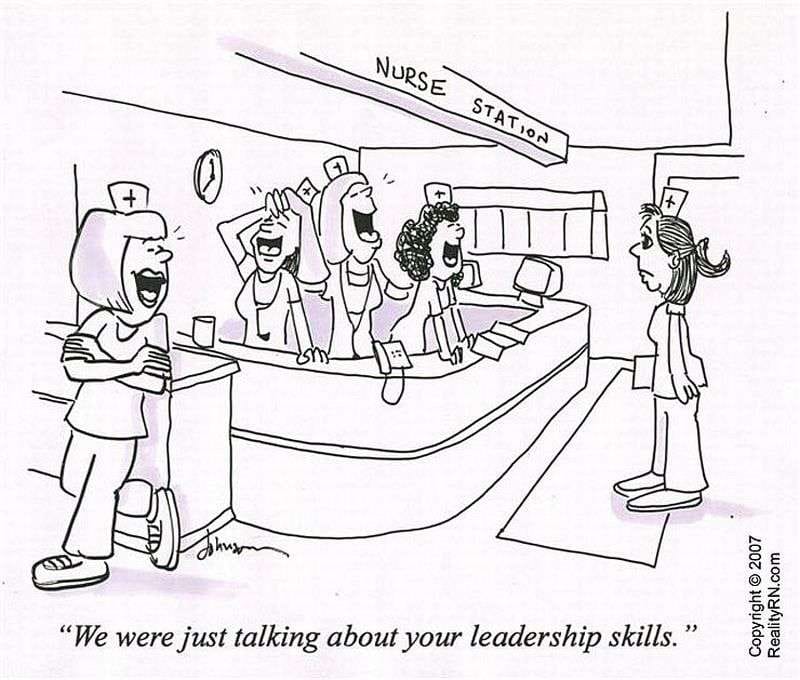
Listening to what others have said and applying their basic ideas to your specific circumstances is like having a “cheat sheet” in your back pocket. Look at this list and see if any of them resonate with you. Do they look familiar to you as a leader or a team member working with a leader? Would your team, as in the comic below, laugh when discussing your leadership skills? Or are you gaining authority by giving it away, leading with trust, vision, and integrity.
Be Well! Lead On.
Adam
Leadership Skills – Does your team laugh at your leadership?



 “Imagine life is a game in which you are juggling five balls. The balls are called work, family, health, friends, and integrity. And you’re keeping all of them in the air. But one day, you finally come to understand that work is a rubber ball. If you drop it, it will bounce back. The other four balls are family, health, friends, integrity are made of glass. If you drop one of these, it will be irrevocably scuffed, nicked, perhaps even shattered.
 The family – that dear octopus from whose tentacles we never quite escape, nor, in our inmost hearts, ever quite wish to. ~Dodie Smith
 I became a Vegan. Yep. Cold turkey, I stopped eating meat, dairy, and anything that did not come from the ground. I posted tons of food photos of my daily meals (Flikr followers can see them) and enjoyed feeling better than I had for years. I became the foursquare “Mayor” of my gym, believe it or not, and targeted averaging 7-8 hours of sleep per night instead of 4-5. And I lost about 15 pounds, almost all of them “fat pounds”.
 Who finds a faithful friend, finds a treasure. — Jewish Saying
 Lessons from The Help